
Charlus and Jupien’s Bargain
In Search of Lost TimePalamède de Charlus and Jupien transform a chance encounter into patronage and mutual dependence, revealing how desire, money, and recognition shape their bond.
increasing Bearing strength in each event
 decreasing
Bearing strength in each eventdecreasingA Fortuitous Meeting

Desire Recognizes Desire
A chance crossing
Palamède de Charlus encounters Jupien in the courtyard. Their reciprocal gestures reveal an attraction that conventional social contact would conceal.
An immediate accord
The narrator watches them recognize one another without prior introduction. Their silent exchange appears more fluent than ordinary conversation.
An Encounter Becomes Intimacy
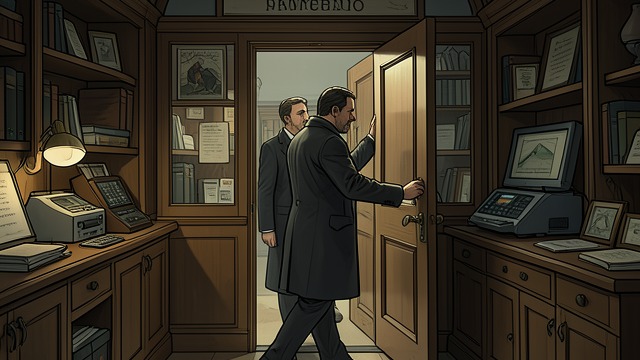
The Shop Door
Private space
Palamède de Charlus follows Jupien into his shop. Their encounter moves from public display into a private arrangement.
Desire and payment
The Baron attempts to offer money, while Jupien initially refuses. Their exchange complicates the distinction between affection, commerce, and social performance.
Patronage Begins

Support and Opportunity
A changed livelihood
Palamède de Charlus recommends Jupien and helps make his business more prosperous. Desire creates material consequences beyond the courtyard.
A continuing bond
The relationship becomes a lasting alliance. Jupien gains security, while the Baron gains access to companionship and recognition.
Jupien as Intermediary

The Broker’s Role
Practical assistance
Jupien arranges introductions and helps Palamède de Charlus pursue other encounters. His own connection to the Baron gives him influence in a hidden social network.
Friendship and utility
Their bond contains genuine attachment but also mutual service. Each uses knowledge of the other’s desires to navigate risks and opportunities.
A World of Repeated Needs

Nature and Social Form
A metaphor of pairing
The narrator compares the match to flowers and insects whose conjunction appears unlikely yet fulfills a pattern. The image grants the encounter a sense of natural necessity.
Reflection under pressure
His botanical language seeks beauty in a stigmatized bond, though his vocabulary remains shaped by the era’s assumptions about sexuality.
Early in Part One
Later the same afternoon
After the first encounter
During the later stay at Balbec
As the narrator reflects on the relationship
